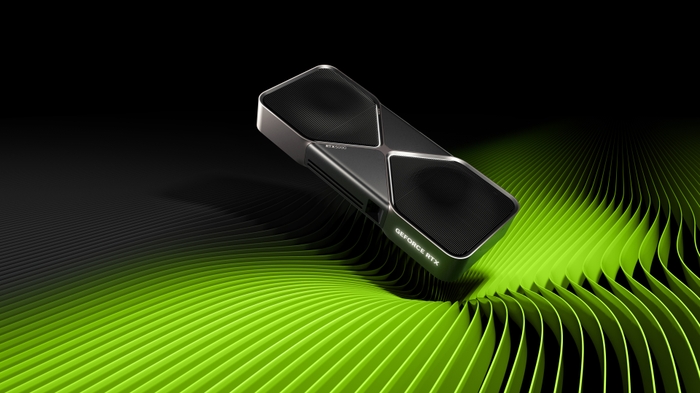
RTX 5090
RTX 3080
RTX 5090 vs RTX 3080
Which graphics card should you buy in 2026? Full spec comparison and analysis.
Our Pick: RTX 5090
The RTX 5090 wins this matchup with better gaming performance, stronger overall benchmarks. While it costs $1300 more, the performance premium is worth it for most users.
Performance Overview
Overall Performance
Gaming
Value for Money
Specifications Comparison
| Specification | RTX 5090 | RTX 3080 |
|---|---|---|
| MSRP | $1999 | $699Win |
| VRAM | 32GBWin | 10GB |
| Memory Type | GDDR7 | GDDR6X |
| Boost Clock | 2407MHzWin | 1710MHz |
| Base Clock | 2017MHzWin | 1440MHz |
| Shader/Stream Processors | 21760Win | 8704 |
| Performance | 104.8TFLOPSWin | 29.8TFLOPS |
| TDP | 575W | 320WWin |
| Memory Bus | 512-bitWin | 320-bit |
| Bandwidth | 1792GB/sWin | 760GB/s |
| Architecture | Blackwell | Ampere |
| Process Node | 4nmWin | 8nm |
| RT Cores | 170Win | 68 |
| AI Upscaling | DLSS 4 | DLSS 2.0 |
| Interface | PCIe 5.0 x16 | PCIe 4.0 x16 |
| Power Connector | 1x 16-pin | 2x 8-pin |
| Card Length | 304mm | 285mmWin |
| Benchmark Score | 100/100Win | 40/100 |
| Gaming Score | 100/100Win | 43/100 |
| Value Score | 25/100 | 35/100Win |
| $/Gaming PointMSRP ÷ Gaming Score · Lower is better | $19.99 | $16.26Win |
Frequently Asked Questions
Is the RTX 5090 better than the RTX 3080?
The RTX 5090 is the stronger card overall. It scores 100/100 in synthetic benchmarks and 100/100 in gaming versus 40/100 and 43/100 for the RTX 3080. In practical terms, the RTX 5090 is a 4K ultra card while the RTX 3080 targets 1440p medium / 1080p ultra. The RTX 5090 also has 32GB of GDDR7 on a 512-bit bus, giving it more headroom for high-res textures and future titles.
Which is the better value, RTX 5090 or RTX 3080?
The RTX 5090 costs 186% more for about 150% more performance. The RTX 3080 at $699 offers noticeably better performance per dollar. Our value scores reflect this: RTX 5090 gets 25/100 and RTX 3080 gets 35/100. If you are building on a tighter budget, the RTX 3080 at $699 is the smarter buy. If you can stretch to $1999 and want the extra performance, the RTX 5090 justifies its price for demanding workloads.
Can the RTX 5090 or RTX 3080 run games at 4K?
The RTX 5090 handles 4K gaming well, delivering playable frame rates in most AAA titles at high-to-ultra settings especially with DLSS 4 upscaling enabled. The RTX 3080 is better suited to 1440p or 1080p gaming, where 10GB of VRAM is adequate. For a native 4K experience without heavy reliance on upscaling, the RTX 5090 is the clear pick.
RTX 5090 vs RTX 3080 for 1440p gaming -- which is better?
Both GPUs can handle 1440p, but the RTX 5090 does it with more headroom. With 104.8 TFLOPS of compute and 32GB VRAM, it consistently pushes higher frame rates at 1440p ultra compared to the RTX 3080's 29.8 TFLOPS and 10GB. If you own a high-refresh 1440p monitor (144Hz+), the RTX 5090's extra performance matters. For a standard 60Hz panel, either card will do fine.
What CPU should I pair with the RTX 5090 or RTX 3080?
To avoid bottlenecking the RTX 5090 (gaming score 100/100), pair it with at least a Ryzen 7 9800X3D or Ryzen 9 9950X3D. For the RTX 3080 (gaming score 43/100), a Ryzen 5 7600 or Ryzen 5 9600X will keep things balanced. Overspending on the CPU relative to the GPU -- or vice versa -- leaves performance on the table. As a rule of thumb, your CPU should cost roughly 40-60% of your GPU budget for a gaming-focused build.
Is the RTX 5090 worth it in 2026?
The RTX 5090 remains a solid buy in 2026. With 32GB of GDDR7 and Blackwell architecture, it handles current games at 4K ultra settings without issues. Support for DLSS 4 extends its lifespan further by boosting frame rates in supported titles. At $1999 MSRP, it is on the pricier side, but you are paying for top-tier performance that will age gracefully.
Should I wait for next-gen or buy the RTX 3080 now?
If you need a GPU now, the RTX 3080 at $699 is a perfectly capable 1440p or 1080p card. The latest GPUs (NVIDIA RTX 50-series Blackwell, AMD RDNA 4) are now available, so consider comparing against the newest options in your budget. The RTX 3080's Ampere architecture and 10GB VRAM still have plenty of life left.
How much power does the RTX 5090 vs RTX 3080 use?
The RTX 5090 draws 575W TDP versus 320W for the RTX 3080, a difference of 255W. For the RTX 5090, a quality 850W PSU is recommended. The RTX 3080's significantly lower power draw also means less heat output, which matters in smaller cases or warmer climates. The RTX 3080 uses a 2x 8-pin connector while the RTX 5090 needs 1x 16-pin.
How many FPS can I expect from the RTX 5090 vs RTX 3080?
Exact FPS varies by game and settings, but based on our gaming benchmark scores (RTX 5090: 100/100, RTX 3080: 43/100), the RTX 5090 typically delivers 133% more frames than the RTX 3080 at the same resolution and settings. In popular titles at 4K, the RTX 5090 with its 104.8 TFLOPS of compute power and 1792 GB/s memory bandwidth pushes well above 60 FPS. Enabling DLSS 4 upscaling can boost that by another 30-50% with minimal visual quality loss.